Table of Contents
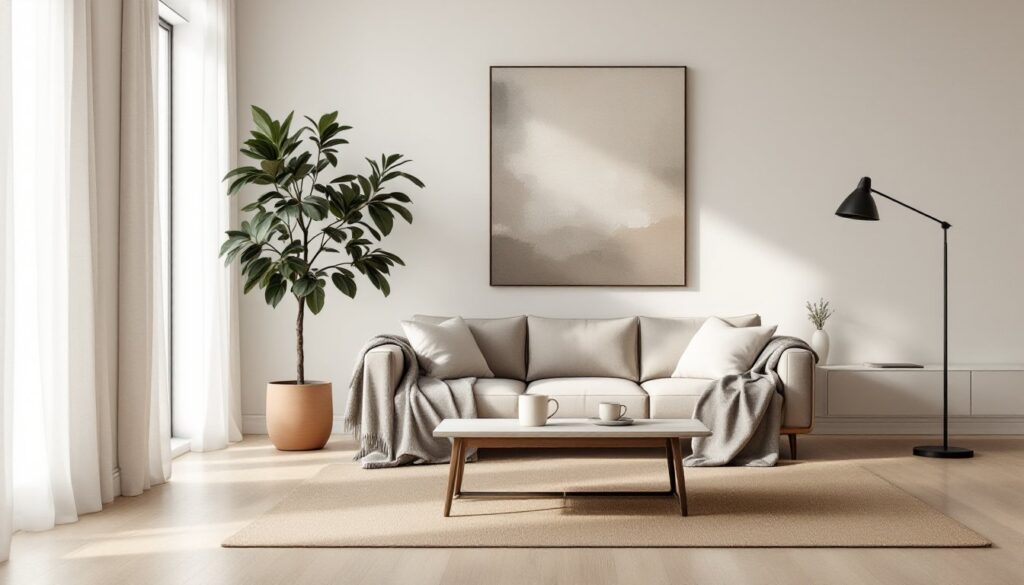
ToggleA minimalist living room isn’t about sacrificing comfort or personality, it’s about clearing away the noise so what matters actually stands out. Whether you’re working with a cramped apartment or a spacious great room, stripping back to essentials can make any space feel bigger, calmer, and easier to maintain. The beauty of modern minimalist living room design lies in intentionality: every piece earns its place through function, form, or both. This guide walks through the practical steps to create a minimalist modern living room that works for real life, not just magazine spreads.
Key Takeaways
- Minimalist living room ideas prioritize intentionality and function over decoration, making spaces feel larger, calmer, and easier to maintain while reducing cleaning time and costs.
- A neutral color palette of whites, grays, beiges, and soft earth tones serves as a visual backdrop that expands space; limit accent colors to rare, muted touches like a single pillow or planter.
- Select furniture with clean lines and clear purpose—low-profile sofas, simple coffee tables, and closed-storage credenzas—while eliminating purely decorative pieces that don’t serve dual functions.
- Maximize natural light through minimal window treatments and layer artificial lighting with ambient, task, and accent sources; use mirrors sparingly and install dimmer switches to control mood.
- Hide clutter with closed storage solutions, cable management systems, and one or two neutral-toned baskets; ruthlessly edit items that haven’t served a purpose in three months.
- Add warmth and texture through natural materials like wood, ceramic, and woven elements, plus one statement plant and a single large-scale art piece, keeping the space dynamic without visual chaos.
Why Minimalist Design Works for Modern Living Rooms
Minimalist living room design ideas center on reducing visual clutter and physical excess, which translates to less time cleaning, fewer items to organize, and more breathing room, literally and mentally. The approach suits modern lifestyles where square footage costs a premium and multitasking is the norm.
From a practical standpoint, fewer furnishings mean easier furniture rearrangement, simpler floor cleaning (no obstacle course of side tables and ottomans), and lower replacement costs when pieces wear out. Open floor plans benefit especially: minimalism prevents that “showroom floor” chaos when too many seating groups compete for attention.
There’s also a structural advantage. Less furniture weight reduces floor load, helpful in older homes or upper-story condos where joist spacing may not support heavy sectionals and entertainment centers. Keep in mind that even in minimalist setups, any wall-mounted shelving or cabinetry still needs to hit studs or use appropriate anchors rated for the load.
The style works because it’s forgiving. A single well-chosen sofa in a neutral reads as intentional: a random mix of hand-me-downs just reads as sparse. Minimalism gives you permission to own less while looking more put-together.
Choose a Neutral Color Palette That Breathes
Neutral doesn’t mean boring, it means backdrop. Modern minimalist living room ideas lean heavily on whites, grays, beiges, taupes, and soft earth tones because they recede visually, making spaces feel larger and calmer. Paint is your easiest, cheapest lever here.
Wall paint: Use flat or eggshell sheens in whites or warm grays. A gallon of quality interior paint covers roughly 350–400 square feet per coat: plan on two coats for even coverage, especially over darker existing colors. Prep matters: fill nail holes with lightweight spackle, sand smooth with 120-grit paper, and prime any patched areas or fresh drywall to avoid blotchiness.
Trim and ceilings: Semi-gloss white on baseboards, door casings, and crown molding creates subtle contrast without breaking the palette. Ceiling paint (flat white) helps reflect light and keeps sight lines uninterrupted.
Flooring: Light or medium-toned hardwood, luxury vinyl plank (LVP), or polished concrete all support the minimalist vibe. If you’re installing LVP, let planks acclimate in the room for 48 hours before install to prevent gapping or buckling. Underlayment (foam or cork, typically 2–3 mm thick) dampens sound and smooths minor subfloor imperfections.
Accent colors should be rare and muted, a single charcoal throw pillow, a terracotta planter. The rule: if you wouldn’t wear it to a job interview, think twice before painting it on your wall.
Select Furniture With Clean Lines and Purpose
Every piece in a minimalist modern living room should answer a simple question: what job does this do? Ornamental furniture, purely decorative consoles, extra accent chairs no one sits in, gets cut first.
Sofas and seating: Look for low-profile designs with straight arms, exposed legs (not skirted), and solid upholstery in linen, cotton, or performance fabrics. A standard three-seat sofa runs 84–90 inches wide: measure your wall and leave at least 30 inches of clearance on either side for traffic flow. Modular sectionals work well because you can reconfigure or downsize as needs change.
Coffee tables: Choose simple materials, solid wood, metal frame with glass or stone top. Avoid elaborate carvings or multi-tier designs. Standard coffee table height is 16–18 inches, which pairs well with most sofa seat heights (17–19 inches). Leave 14–18 inches between the table edge and sofa for legroom.
Storage furniture: A low credenza or media console with closed doors hides electronics, remotes, and cables. Measure your TV width and ensure the console is at least as wide: ideally 6–12 inches wider for visual balance. If wall-mounting the TV, locate studs (typically 16 inches on center) and use a mount rated for your TV’s weight.
Multifunctional picks: Ottomans with internal storage, nesting side tables, or a sleeper sofa if you host guests. Fewer pieces doing double-duty beats a crowded room of single-purpose furniture.
Skip: oversized recliners, ornate armoires, busy-patterned upholstery, and anything described as “shabby chic” or “farmhouse charm.” Those aesthetics clash with minimalist restraint.
Maximize Natural Light and Strategic Lighting
Light is a minimalist’s best friend, it expands space, highlights clean lines, and reduces the need for decorative filler. Start by removing obstacles to natural light.
Window treatments: Swap heavy drapes for sheer linen curtains, cellular shades, or simple roller blinds in white or gray. If privacy isn’t an issue, leave windows bare. Mount curtain rods 4–6 inches above the window frame and extend them 3–6 inches beyond each side so curtains stack off the glass when open.
Artificial lighting layers: Minimalist living room design ideas often incorporate three types:
- Ambient: Recessed can lights or a flush-mount ceiling fixture provide overall illumination. For recessed lighting, standard 4-inch or 6-inch cans spaced roughly 4–6 feet apart work well. Use LED bulbs (2700K–3000K color temperature) for warm, inviting light that won’t yellow walls.
- Task: A simple floor lamp with an adjustable arm next to a reading chair, or a slim table lamp on a console.
- Accent: Track lighting or picture lights to highlight a single piece of art. Keep it minimal, one or two accent points max.
Dimmer switches: Install dimmers on overhead circuits to adjust mood. A standard single-pole dimmer swap is straightforward (turn off breaker, swap wires following manufacturer’s diagram, restore power), but if you’re unfamiliar with electrical work or local codes require a permit for circuit modifications, hire a licensed electrician. Always follow NEC guidelines and local amendments.
Mirrors opposite windows bounce natural light deeper into the room, but use sparingly, one large mirror is enough. More feels busy.
Declutter and Embrace Functional Storage Solutions
Clutter is minimalism’s mortal enemy, and most living rooms collect it like lint: remotes, magazines, toys, chargers, mail. The fix is twofold: ruthless editing and smart storage.
Editing: Remove anything that doesn’t serve a current, regular purpose. That decorative bowl collecting junk mail? Gone. The stack of coffee table books you never open? Donate or shelve elsewhere. Be honest: if you haven’t touched it in three months, it’s décor weight, not function.
Closed storage: Use credenzas, built-in cabinets, or floating wall units with doors to hide everyday chaos. Floating shelves can work, but only if you’re disciplined, three carefully chosen objects per shelf, not a tchotchke graveyard. When installing floating shelves, locate studs and use heavy-duty brackets rated for the load (books and electronics add up fast). Typical floating shelf brackets support 50–75 pounds per pair when properly anchored into studs.
Cable management: Run TV and component cables through in-wall conduit (requires cutting drywall and patching) or use surface-mount cable raceways. If cutting into walls, check for existing wiring or plumbing first and follow local building codes, some jurisdictions require low-voltage wiring to be run in separate conduit from line-voltage.
Baskets and bins: A single woven basket under a console or beside the sofa corrals remotes and throws. Choose natural materials (jute, seagrass, linen) in neutral tones. One or two max: more starts looking like a storage unit.
The goal: every item you see from the sofa should either be beautiful, functional, or both. Everything else gets tucked away.
Add Texture and Warmth Without the Clutter
Minimalist doesn’t mean cold or sterile. Texture and natural materials prevent the space from feeling like a dental office waiting room.
Textiles: Layer in a chunky knit throw, linen curtains, a low-pile wool or jute area rug. Rugs anchor seating areas and dampen sound, aim for a rug that extends at least 18 inches beyond the sofa on each side, or one where all front furniture legs sit on the rug. An 8×10 or 9×12 rug fits most standard living rooms.
Natural materials: Wood coffee tables, ceramic planters, stone accent pieces, woven baskets. These add warmth and visual interest without pattern overload. According to contemporary design trends, mixing materials like wood, metal, and stone in a restrained palette keeps spaces dynamic yet cohesive.
Plants: One or two large plants (fiddle-leaf fig, snake plant, monstera) in simple pots bring life and improve air quality. Skip the fussy arrangements: a single statement plant is enough. If your space features a fireplace as a focal point, a tall plant beside the hearth balances the visual weight without crowding.
Art: A single large-scale piece or a simple gallery wall (three frames max, same style) adds personality. Hang art so the center sits at 57–60 inches from the floor (standard gallery height). Use picture-hanging hooks rated for the frame weight, or if hanging heavy pieces, anchor into studs.
Avoid: Patterned pillows in three different prints, gallery walls with mismatched frames, tchotchke collections, and excessive greenery. One textured element per category (one rug, one throw, one plant) prevents the room from feeling staged.
Conclusion
Building a modern minimalist living room comes down to subtraction, not addition, and that’s easier on the wallet and the weekend to-do list. Focus on quality over quantity, function over decoration, and neutrals that won’t fight each other. The result is a space that’s simpler to clean, easier to rearrange, and calmer to live in. Start with one section, paint, furniture, or lighting, and work through the rest as time and budget allow. Minimalism isn’t a one-day flip: it’s a steady edit toward what actually works.