Table of Contents
ToggleApartment living rooms rarely come with square footage to spare. Between landlord restrictions, awkward layouts, and the challenge of making a rental feel like home, creating a functional yet stylish space takes more than just good taste, it requires strategy. Whether you’re working with an extra small apartment living room or a modern open-plan layout, the right approach can turn cramped quarters into a well-designed hub that handles everything from movie nights to remote work. This guide walks through practical, renter-friendly solutions that maximize every inch without requiring a contractor or a lease violation.
Key Takeaways
- Choose apartment-scale sofas (72–78 inches) with exposed legs to maximize visual space and allow light to flow underneath, making small living rooms feel less cramped.
- Use layered lighting with at least three sources—ambient, task, and accent—plus dimmer switches to adjust mood and functionality throughout the day in your apartment living room.
- Define zones in open-plan layouts with area rugs, low bookcases, and floating furniture to create visual boundaries without blocking light or requiring permanent walls.
- Install removable peel-and-stick solutions like shiplap panels and wallpaper to add character and renter-friendly decor without damaging walls or losing your security deposit.
- Maximize vertical storage with floor-to-ceiling shelving and floating shelves to reclaim wall space and keep daily clutter off floors and surfaces.
- Incorporate multifunctional furniture like storage ottomans, sleeper sofas, and folding desks to support changing needs such as remote work, guests, or fitness activities.
Maximize Your Space with Smart Furniture Choices
Furniture selection makes or breaks a small apartment living room. The wrong sofa can block foot traffic and shrink the room visually: the right one opens up pathways and adds storage.
Scale matters more than style. A standard three-seat sofa typically measures 84–90 inches wide, fine for a 14×16-foot living room, but overwhelming in a 10×12-foot space. Opt for apartment-scale sofas (72–78 inches) or loveseats paired with a compact armchair. Measure doorways and hallways before ordering: many delivery nightmares start with furniture that won’t clear a 32-inch doorframe.
Dual-purpose pieces earn their footprint. Storage ottomans double as coffee tables and hide blankets, remotes, and board games. Nesting tables tuck away when not in use. Sleeper sofas with memory foam mattresses (8–10 inches thick) handle overnight guests without requiring a separate guest room. Skip futons, modern sofa beds with actual innerspring or hybrid mattresses are worth the investment for regular use.
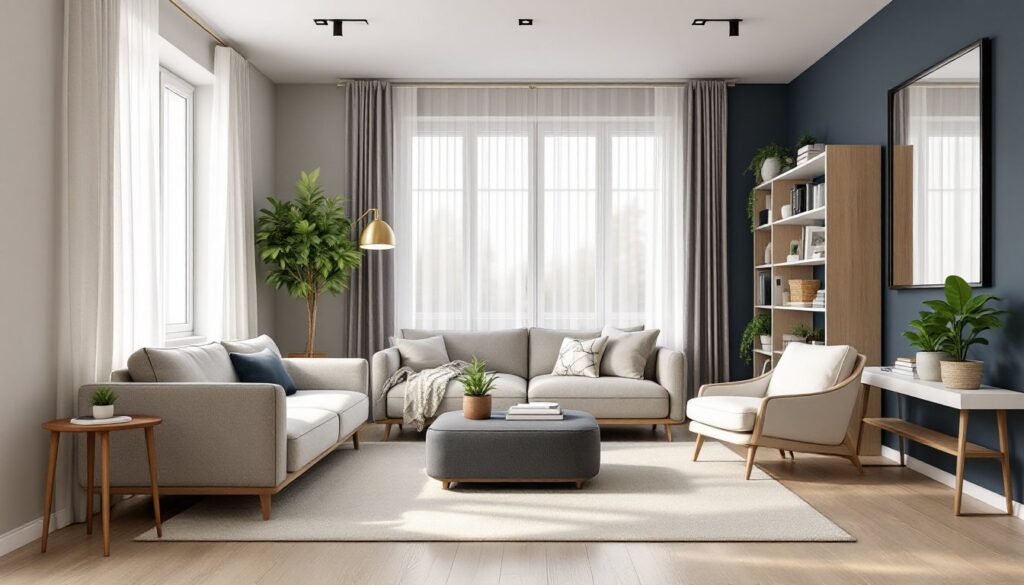
Legs create visual breathing room. Furniture with exposed legs, sofas, chairs, and media consoles raised 4–6 inches off the floor, allows light and sightlines to flow underneath, making rooms feel less crowded. This trick works especially well in small apartment living room decor ideas where every visual inch counts.
Modular seating adapts to your life. Sectionals with movable pieces let renters reconfigure layouts when they move or rearrange. Look for sets with ottomans that convert to chaise extensions or standalone seating. Avoid oversized sectionals with fixed configurations, they’re a commitment you may regret in your next apartment.
Create Visual Depth with Strategic Color and Lighting
Color and light manipulation can add perceived square footage without knocking down walls. It’s not magic, it’s optical engineering.
Light paint expands walls, but not always. Standard advice pushes white or pale gray for small spaces, and it works, to a point. In rooms with ample natural light, soft whites (with LRV values of 75–85) reflect light and open things up. But in dimly lit or north-facing apartments, stark white can look flat and institutional. Consider warm neutrals like greige or soft taupe (LRV 60–70) to add depth without closing in the space.
Accent walls add dimension, not clutter. A single darker wall, navy, charcoal, or deep green, behind the sofa or TV creates a focal point and pushes other walls back visually. In rental situations, peel-and-stick wallpaper or removable wall panels install without damaging drywall and come off clean at move-out. Test a sample square first: some removable products leave residue on textured or aged paint.
Layered lighting beats a single overhead fixture. Most apartment living room ideas for modern spaces incorporate at least three light sources: ambient (ceiling or recessed), task (floor or table lamps for reading), and accent (wall sconces or LED strips). Dimmer switches (plug-in smart dimmers work for renters) let occupants adjust mood and functionality throughout the day. Position floor lamps in corners to bounce light off walls and eliminate dark pockets.
Mirrors double light and space. A large mirror (36×48 inches or bigger) opposite a window reflects natural light and creates the illusion of an additional window. Lean oversized mirrors against walls rather than hanging them, no drill holes, and they’re easy to reposition. Avoid mirrored furniture: a single statement mirror delivers impact without the ’80s glam excess.
Define Zones in Open-Plan Apartment Layouts
Open-plan apartments offer flexibility but lack built-in boundaries. Without walls, living, dining, and kitchen areas blur together, making spaces feel chaotic and underutilized.
Area rugs establish visual borders. An 8×10-foot rug anchors a seating area in a combo living-dining space. All front furniture legs (sofa, chairs) should sit on the rug, with back legs on or off depending on room size. In extra small apartment living room ideas, a 5×7-foot rug works if it fits under the coffee table and at least the front sofa legs. Leave 12–18 inches of bare floor between the rug edge and walls to frame the space without crowding it.
Low bookcases and consoles act as room dividers. A 30–36-inch-tall bookcase placed perpendicular to a wall separates the living zone from a dining nook without blocking light or sightlines. Open-back shelving maintains airflow and visibility. Avoid floor-to-ceiling dividers in apartments under 600 square feet, they chop up space rather than organize it.
Furniture arrangement creates implied walls. Float the sofa away from walls, using its back as a boundary between living and dining areas. A console table behind the sofa adds surface space for lamps or decor while reinforcing the division. In studio or alcove layouts, a bookcase or folding screen (68–72 inches tall) tucked behind the sofa provides privacy without permanent installation.
Different lighting per zone reinforces separation. Pendant lights over a dining table, a floor lamp by the sofa, and under-cabinet LEDs in the kitchen create distinct atmospheres within one room. Each zone should have independent control, no single switch that floods the entire apartment with light. Smart bulbs (Philips Hue, LIFX) let renters customize color temperature and brightness per area without rewiring.
Add Character with Renter-Friendly Decor Solutions
Lease agreements limit what renters can alter, but personality doesn’t require drywall surgery. Removable and repositionable products have improved dramatically, no more flimsy contact paper or damage deposits lost to spackle jobs.
Peel-and-stick solutions go beyond wallpaper. Removable shiplap panels, 3D wall tiles, and wood-look planks install with adhesive backing and peel off without residue (test first on painted drywall, not textured or freshly painted surfaces). These work well as accent walls to highlight architectural features or create a modern apartment living room vibe without contractor-level commitment.
Command strips and adhesive hooks hold more than you’d think. Heavy-duty strips rated for 16 pounds support large frames, mirrors, and floating shelves when applied correctly. Clean surfaces with rubbing alcohol, press strips firmly for 30 seconds, and wait one hour before hanging. For heavier items (shelves loaded with books), toggle anchors or Picture Hangers work in drywall but require small holes, acceptable in most leases and easy to patch with spackle and touch-up paint at move-out.
Swap hardware on cabinets and fixtures. Replacing builder-grade cabinet pulls, drawer handles, or light switch plates takes minutes with a screwdriver and adds custom style. Keep original hardware in a labeled bag to reinstall before leaving. This small change has outsized impact in kitchenettes and built-in storage visible from the living area.
Curtains and textiles soften hard rental finishes. Floor-to-ceiling curtains hung just below the ceiling line (not at window-frame height) elongate walls and add softness to basic blinds. Tension rods require no holes and adjust to fit various widths. Layer throws, pillows, and area rugs in cohesive tones to unify mismatched furniture and cover worn carpet or outdated flooring.
Incorporate Vertical Storage and Display Ideas
When floor space maxes out, look up. Vertical storage reclaims unused wall real estate and keeps clutter off surfaces.
Floor-to-ceiling shelving uses dead space. Tall bookcases (72–84 inches) draw eyes upward and provide ample storage without consuming extra floor area. Anchor tall units to studs with L-brackets or furniture straps (required by law in California and recommended everywhere for safety). Use the top two shelves for rarely accessed items, seasonal decor, extra linens, archives, and keep everyday items at eye level.
Wall-mounted shelves free up floor space. Floating shelves (10–12 inches deep) hold books, plants, and decor without legs or supports cluttering the floor. Install shelves 12–16 inches apart for books, 18–24 inches for larger objects. In rental units, fill anchor holes with DAP Painter’s Putty or spackle at move-out, it’s a minor repair that rarely impacts deposits.
Pegboards and rail systems offer flexible storage. A pegboard wall (4×8-foot panel or smaller sections) accommodates hooks, baskets, and shelves that reposition without new holes. IKEA’s SKÅDIS and similar systems combine style with utility. Install pegboards with a ¾-inch spacer behind the panel so hooks slide in easily. Use this setup in entryways, behind desks, or on short walls that can’t fit large furniture.
Hooks and racks handle daily-use items. Wall-mounted coat racks, key holders, and bag hooks near the door keep essentials accessible and off the sofa. Ceiling-mounted bike racks (with landlord approval) or pulley systems store bikes, seasonal gear, or even kayaks overhead in apartments with 9-foot or higher ceilings.
Balance Style and Functionality for Daily Living
A beautiful apartment living room that doesn’t support daily routines won’t last a week before clutter takes over. Design must serve life, not the other way around.
Cable management prevents visual chaos. Modern living rooms include TVs, speakers, lamps, chargers, and routers, all trailing cords. Cable raceways, cord covers, or simple Velcro wraps bundle cables and route them along baseboards or behind furniture. Drill a small hole in the back of a media console to thread cords through (plug it with a grommet, or patch at move-out). Power strips with surge protection consolidate plugs and protect electronics: mount them under desks or behind consoles with adhesive clips.
Pet-friendly and kid-proof materials matter. Microfiber and performance fabrics (like Crypton or Sunbrella) resist stains and clean easily, critical for households with kids, pets, or frequent guests. Washable area rugs (machine-washable or outdoor rugs hosed off) handle spills better than delicate wool or silk blends. Skip glass coffee tables if toddlers or large dogs are in the picture, rounded wood or upholstered ottomans are safer and just as stylish.
Daily clutter needs a home. Baskets, trays, and decorative boxes corral remotes, mail, chargers, and miscellaneous items that otherwise scatter across coffee tables and counters. Designate one catchall bin per person or category. It’s not about perfection, it’s about having a reset system that takes 60 seconds.
Flexibility supports changing needs. Living room ideas for apartments should accommodate WFH setups, workout spaces, or dining areas as needed. Folding desks, nesting tables, and stackable stools adapt without permanent layout changes. According to design experts, multifunctional furniture has become a cornerstone of modern apartment living, especially in urban environments where space and flexibility are at a premium.
Conclusion
Apartment living rooms don’t need extra square footage, they need intentional design. Smart furniture, vertical storage, renter-friendly updates, and layered lighting turn limitations into advantages. By prioritizing flexibility and functionality alongside aesthetics, renters can create spaces that work as hard as they do, without losing a security deposit or sanity in the process.