Table of Contents
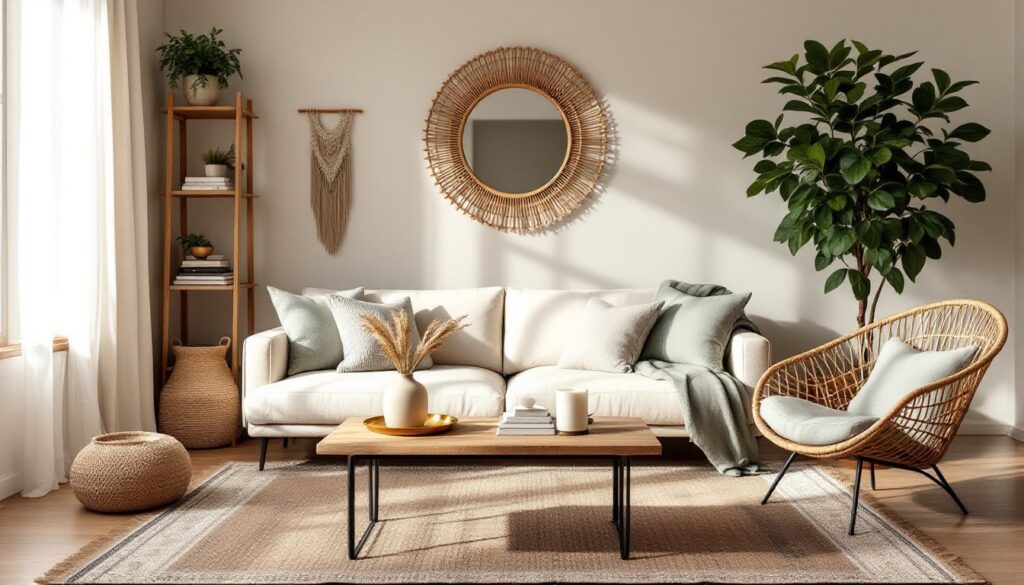
ToggleModern boho living room design blends the free-spirited, eclectic warmth of bohemian decor with the clean lines and restraint of contemporary style. It’s not about throwing every pattern on one wall or cramming shelves with tchotchkes, it’s about curating a space that feels collected, comfortable, and intentional. This guide walks through the practical decisions that make the style work: choosing cohesive color palettes, selecting furniture that balances form and function, layering textiles without creating visual chaos, and adding natural elements that ground the space. Whether someone’s refreshing a rental or planning a full room overhaul, these boho living room ideas translate into real, livable spaces.
Key Takeaways
- A modern boho living room design blends bohemian warmth with contemporary minimalism by using neutral walls, clean-lined furniture, and curated decor rather than maximalist clutter.
- Establish a neutral foundation with warm whites or greige walls, then layer earthy accent colors like terracotta, sage green, and dusty rose in textiles and accessories to maintain visual balance.
- Select low-profile sofas, mixed materials, and varied furniture pieces that feel collected over time rather than matching sets, ensuring the space reads intentional and curated.
- Layer textures strategically using base rugs, patterned textiles, varied throw pillows, and natural materials like rattan, wood, and ceramic to add depth without overwhelming the space.
- Incorporate living greenery as a non-negotiable design element by grouping plants in odd numbers at varying heights, and choose natural materials like unfinished wood and unglazed ceramics to ground the aesthetic.
- Balance ambient, task, and accent lighting with warm white bulbs (2700-3000K) and focus on pieces that look handpicked—thrifted finds, vintage items, and artisan decor add authenticity to modern boho living room ideas.
What Defines a Modern Boho Living Room?
Modern boho living room decor sits at the intersection of two aesthetics that shouldn’t work together, but do. Traditional bohemian style leans heavily on maximalism: layered rugs, abundant textiles, global patterns, and collected objects from flea markets and travels. Modern design strips things down to essentials, favoring neutral palettes, uncluttered surfaces, and streamlined furniture.
The modern boho compromise keeps the warmth and texture of bohemian decor but edits out the excess. Walls stay mostly neutral, white, warm beige, soft greige, so textiles and natural materials can provide visual interest without overwhelming the room. Furniture silhouettes lean contemporary: low-profile sofas, simple wood frames, metal legs. Pattern comes through in controlled doses, usually in textiles rather than wallpaper or painted surfaces.
Key characteristics include:
- Neutral base palettes with warm, earthy accent colors
- Natural materials like jute, rattan, linen, and unfinished wood
- Layered textiles in varied textures, woven throws, macramé, kilim pillows
- Mix of old and new pieces, avoiding matchy-matchy furniture sets
- Greenery as a functional design element, not an afterthought
- Negative space that lets the eye rest between focal points
This style works particularly well in open-concept spaces where the living room flows into dining or kitchen areas. The neutral backdrop and natural materials create visual continuity without requiring identical finishes throughout.
Essential Color Palettes for Modern Boho Spaces
Start with a neutral foundation, that’s non-negotiable for keeping the modern part of modern boho intact. Warm whites (those with yellow or beige undertones, not stark cool whites) work better than pure white, which can feel sterile against natural textiles. Sherwin-Williams’ Alabaster or Benjamin Moore’s White Dove are common choices that read as white but don’t clash with warmer accent tones.
For wall color, many modern boho living room decor ideas stick with off-white or move into the greige family (gray-beige hybrids). These provide enough depth to hide scuffs and smudges while maintaining a clean backdrop. Sherwin-Williams’ Accessible Beige or Behr’s Wheat Bread fall into this range.
Accent colors pull from earthy, muted tones:
- Terracotta, rust, burnt orange
- Ochre, mustard, golden yellow
- Sage green, olive, eucalyptus
- Dusty rose, mauve, clay pink
- Warm taupes and caramels
Avoid pure primary colors or anything too saturated. The goal is a palette that looks like it came from natural dyes, pigments found in clay, plants, and minerals.
When contemporary interiors incorporate bohemian elements, the 60-30-10 rule helps maintain balance: 60% neutral (walls, large furniture), 30% secondary earth tones (accent chairs, large textiles), and 10% bolder accent colors (throw pillows, small decor pieces).
Metallic finishes lean toward brass, aged bronze, and matte black rather than chrome or polished nickel. These warmer metals complement the earthy palette without reading as rustic farmhouse.
Furniture Selection: Balancing Comfort and Character
Furniture in a bohemian modern boho living room should feel collected rather than purchased as a set. That doesn’t mean mismatched chaos, it means thoughtful variety in materials, silhouettes, and origins.
Seating:
Start with a low-profile sofa in a neutral fabric, linen, canvas, or a textured weave in cream, gray, or tan. Avoid tufted backs and ornate details: clean lines keep it modern. A sofa depth of 36-40 inches provides enough comfort for lounging without looking like an oversized sectional.
Pair the sofa with an accent chair that introduces texture or a subtle pattern. A rattan peacock chair, a leather butterfly chair, or a mid-century armchair with wood arms all work. The accent piece should contrast with the sofa in material or form, if the sofa is upholstered and boxy, the chair should be lighter and more sculptural.
Poufs and floor cushions add flexible seating without taking up visual space. Look for woven poufs in natural jute or wool, typically 18-20 inches in diameter and 12-14 inches high.
Tables:
Coffee tables work best in natural wood with simple frames, reclaimed wood tops on metal hairpin legs, solid teak with a live edge, or light oak with minimal joinery. Avoid glass tops, which read too formal, and heavily distressed finishes, which skew rustic.
Side tables can mix materials: a rattan drum table next to a welded steel plant stand, or a carved wood stool repurposed as a drink table. Heights should vary slightly (16-24 inches) to create visual rhythm.
Storage:
Open shelving in natural wood or metal keeps the space from feeling heavy. Modular cube shelving (like the Kallax system) works if kept minimal, display items on about 60% of the shelves, leaving space between objects. Closed storage goes in woven baskets (seagrass, water hyacinth) that slide into cubbies or sit under console tables.
Avoid matching furniture suites. A room feels more curated when the coffee table, side tables, and shelving each have distinct but complementary materials and finishes.
Layering Textures and Textiles Like a Pro
Texture carries the weight of boho living room decor. Without it, a neutral space reads as bland minimalism. With too much, it tips into clutter. The trick is deliberate layering.
Rugs:
Start with a large base rug that anchors the seating area. Jute or sisal provides neutral texture and durability, typically in 8’x10′ or 9’x12′ for standard living rooms. All front legs of seating should sit on the rug: floating furniture off the rug breaks up the visual flow.
Layer a smaller patterned rug on top if the space can handle it, a vintage kilim, a Moroccan boucheroute, or a flat-weave dhurrie in muted colors. The top rug should cover about 50-60% of the base rug, centered under the coffee table.
If layering feels like too much, stick with one rug in a subtle pattern or texture. A hand-knotted wool rug with a faded geometric pattern splits the difference.
Throws and Pillows:
Sofas need 3-5 throw pillows in varied sizes (22-inch, 20-inch, and 18-inch squares, or a mix with lumbar pillows). Combine textures:
- One or two in woven textiles (mudcloth, block-printed cotton, ikat)
- One in a plush fabric (velvet, chunky knit)
- One in natural fiber (linen, hemp, raw cotton)
Avoid matching pillow sets. Each pillow should feel like it came from somewhere different, even if purchased new.
Drape a chunky knit or woven throw over the sofa arm, not folded neatly, but casually tossed. Cream, oatmeal, or camel tones work with most palettes.
Window Treatments:
Skip heavy drapes. Modern living rooms with bohemian touches use linen or cotton curtains in natural tones, hung high (1-2 inches below the ceiling) and wide (extending 6-12 inches past the window frame on each side). This elongates the wall and floods the room with diffused light.
If privacy isn’t a concern, woven wood shades in bamboo or rattan add texture without blocking light.
Wall Textiles:
A single large-scale textile, a macramé wall hanging, a woven tapestry, or a vintage rug hung as art, works better than multiple small pieces. Size it proportionally: at least 24 inches wide, up to 60% of the wall width. Hang it 6-8 inches above the sofa back or centered on a blank wall.
Incorporating Natural Elements and Greenery
Natural materials prevent modern boho living room ideas from looking sterile. These aren’t just decor, they’re structural elements of the design.
Wood:
Use wood in varied tones and finishes. A light oak coffee table, a walnut media console, and weathered teak shelving can coexist as long as the undertones lean warm (avoid mixing orange-toned wood with cool gray-toned wood). Leave wood unfinished or sealed with matte natural oil rather than glossy polyurethane.
Rattan and Wicker:
Rattan furniture adds sculptural interest without visual weight. A rattan accent chair, pendant light, or magazine basket introduces organic texture. Look for pieces with clean lines, avoid overly ornate Victorian wicker or dated 1970s peacock chairs unless they’re genuine vintage finds in good condition.
Stone and Ceramic:
Stone side tables (marble, travertine, limestone) ground the space. A travertine coffee table or a marble-topped plant stand adds cool-toned contrast against warm textiles. Hand-thrown ceramic vases and planters in matte earth tones, unglazed terracotta, speckled stoneware, feel more authentic than mass-produced glossy pottery.
Plants:
Greenery is non-negotiable. Choose low-maintenance varieties that tolerate typical indoor light:
- Large floor plants: Fiddle leaf fig, rubber tree, monstera, bird of paradise (6-8 feet tall in 10-12 inch pots)
- Medium tabletop plants: Pothos, philodendron, snake plant, ZZ plant (in 6-8 inch pots)
- Hanging plants: String of pearls, trailing pothos, spider plant (in macramé hangers or wall-mounted planters)
Group plants in odd numbers (3 or 5) at varying heights. A large floor plant in the corner, a medium plant on a side table, and a hanging plant near the window creates visual layers.
Skip fake plants, they undercut the natural, lived-in feel of boho decor. If light is truly insufficient, invest in grow lights rather than plastic foliage.
Accessories and Decor That Complete the Look
Accessories should feel intentional, not like someone emptied a HomeGoods cart into the room. Each piece should serve a purpose, functional, visual, or both.
Lighting:
Layered lighting prevents the flat, one-note glow of overhead fixtures. Combine:
- Ambient lighting: Rattan or woven pendant lights, Edison bulb fixtures in brass or matte black
- Task lighting: Arc floor lamps with linen shades, adjustable reading lamps
- Accent lighting: String lights (white or warm, not multicolored), LED strip lights under shelves
Use warm white bulbs (2700-3000K) throughout. Cool white (4000K+) kills the cozy vibe.
Art and Wall Decor:
Abstract prints in earthy tones, line drawings, vintage botanical prints, or black-and-white photography all work. Frame art in natural wood, brass, or matte black, skip ornate gilded frames.
A gallery wall works if kept to 5-7 pieces with consistent spacing (2-3 inches between frames). Too many small frames creates visual clutter.
Mirrors:
A large round or arched mirror (30-40 inches in diameter) reflects light and expands the space. Rattan-framed, brass-rimmed, or unframed beveled mirrors fit the aesthetic. Hang it opposite a window to maximize natural light.
Books and Objects:
Style shelves and surfaces with:
- Stacks of coffee table books (travel, art, design)
- Woven baskets for corralling remotes and small items
- Brass or ceramic bowls for keys and loose items
- Candles in unscented or lightly scented varieties (skip overpowering fragrances)
Follow the rule of three: group objects in threes with varying heights. A tall vase, a medium candle, and a small bowl read more dynamic than evenly sized items lined up in a row.
Avoid:
- Inspirational word art (“Live, Laugh, Love”)
- Overly thematic decor (all elephant figurines, all feathers)
- Anything that screams “I bought this at a chain store last week”
Modern boho living room decor ideas rely on pieces that look collected over time, even if purchased new. Mix in a few genuine vintage or handmade items, thrifted brass candlesticks, a handwoven basket from a craft fair, a framed print from a local artist, to add authenticity.
Conclusion
Modern boho style works because it balances discipline with warmth. The neutral palette and clean-lined furniture keep the space from feeling chaotic, while layered textiles, natural materials, and greenery prevent it from reading as cold or impersonal. It’s a forgiving style, new pieces mix with vintage finds, and the lived-in, collected feel actually improves as the space evolves. Focus on getting the foundational elements right, color palette, furniture scale, and primary textiles, and the rest falls into place through gradual additions and thoughtful editing.